
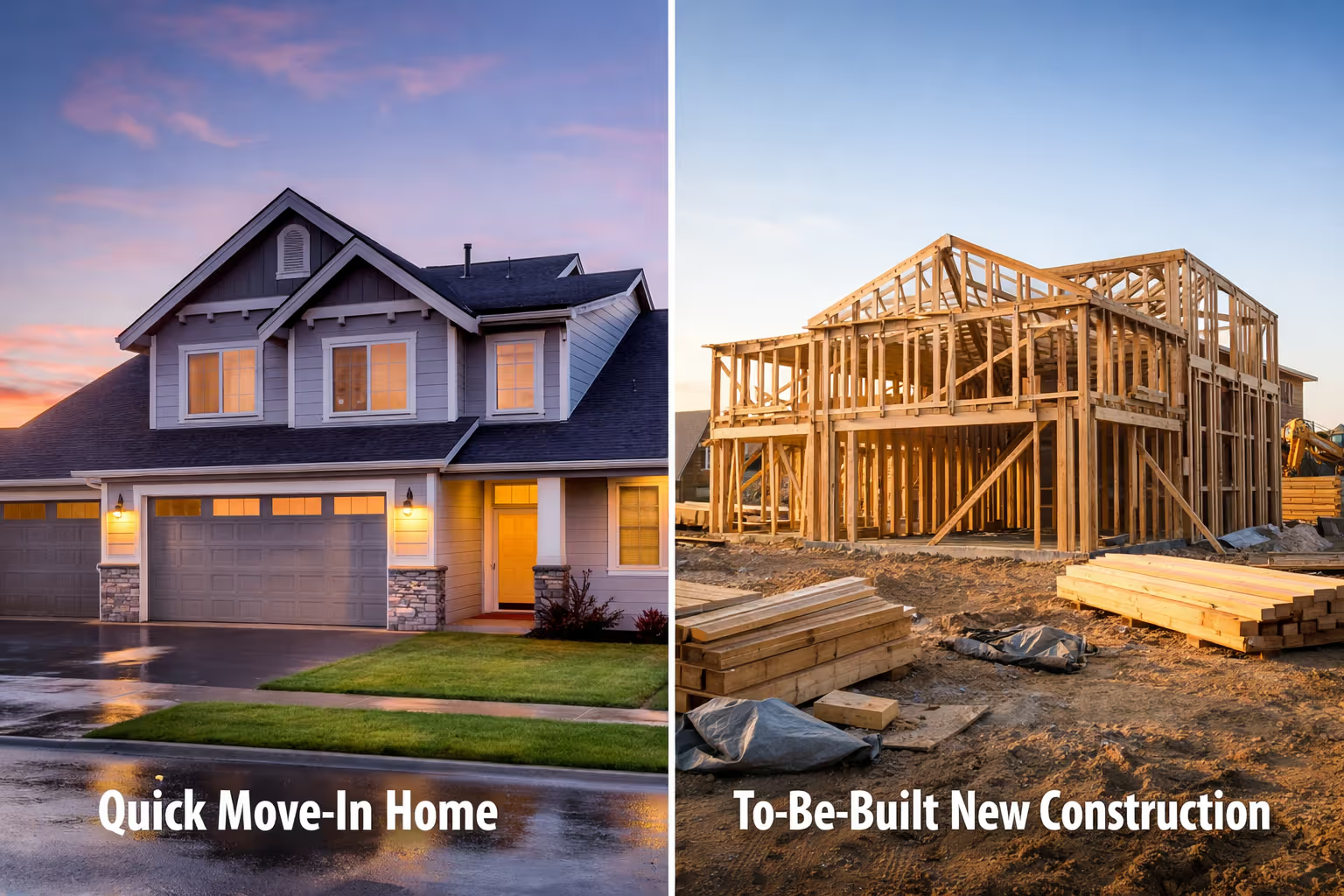
Choosing between a quick move-in home and a to-be-built property in Sacramento isn't just about timeline. It's a strategic decision that affects your negotiation leverage, financing options, and long-term costs.
Most buyers walk into a new construction sales office without understanding the different negotiation levers available for each type of purchase. Standing inventory and spec homes carry different advantages than ground-up builds—and knowing those differences can save you thousands.
This guide breaks down when each option makes sense for Sacramento-area buyers, what you can actually negotiate, and how rate locks and appraisal contingencies factor into longer build cycles.
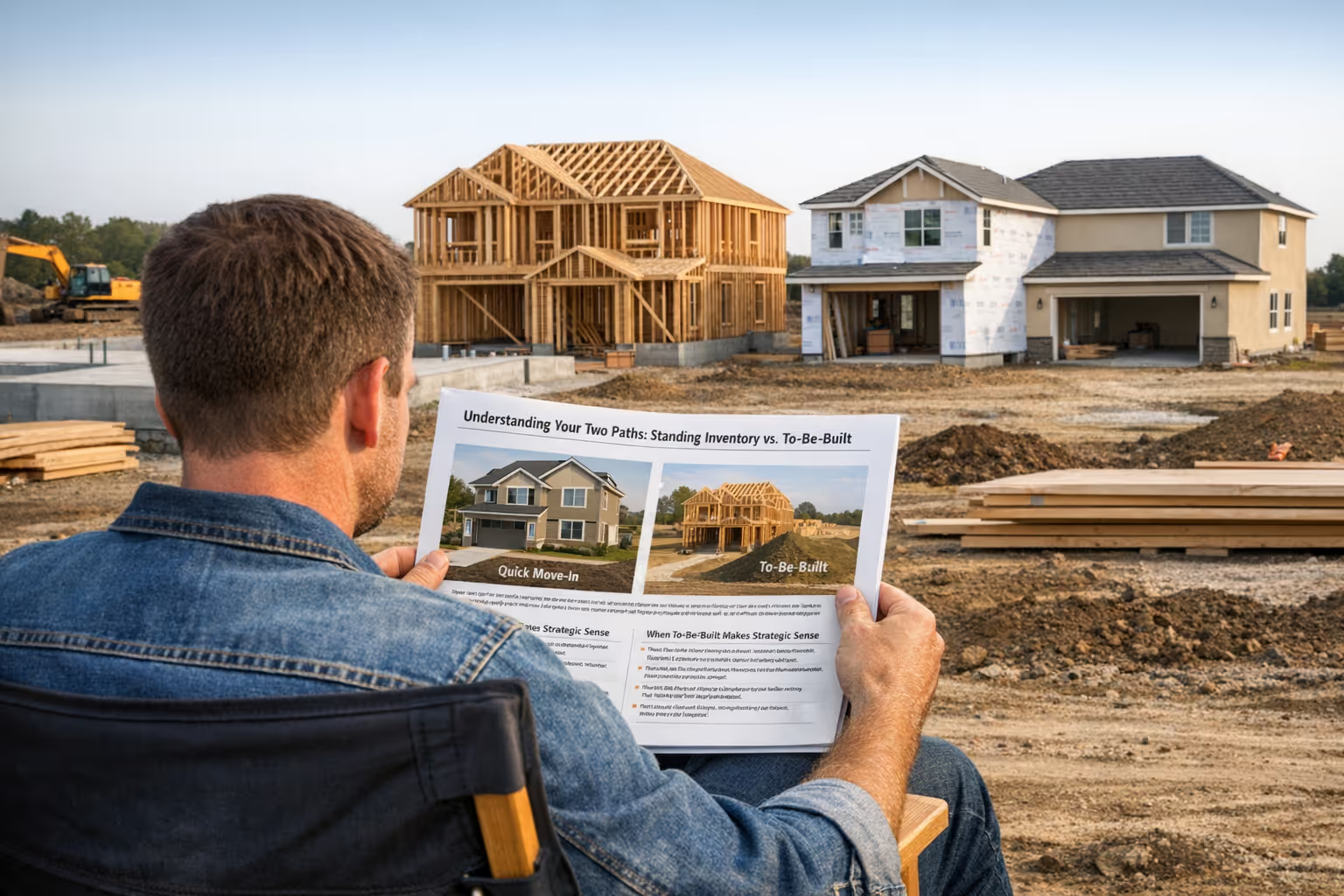
Understanding Your Two Paths: Standing Inventory vs To-Be-Built
Standing inventory (also called quick move-in or spec homes) refers to homes that builders have already completed or will complete within 30 to 90 days. These properties sit finished or near-finished, ready for buyers who need to move soon.
To-be-built homes (sometimes called pre-sale or build-to-order) start from a lot selection. You choose the floor plan, structural options, and finishes before construction begins. Build times in the Sacramento market typically range from four to eight months depending on the builder, permit timelines, and supply chain factors.
Both paths involve new construction. But the negotiation dynamics, financing considerations, and buyer protections differ substantially.
When Quick Move-In Makes Strategic Sense
You Have a Firm Deadline
Relocating professionals, military families with PCS orders, and buyers selling their current home often face non-negotiable move dates. Quick move-in inventory eliminates construction timeline risk entirely.
You Want to Lock Today's Rate
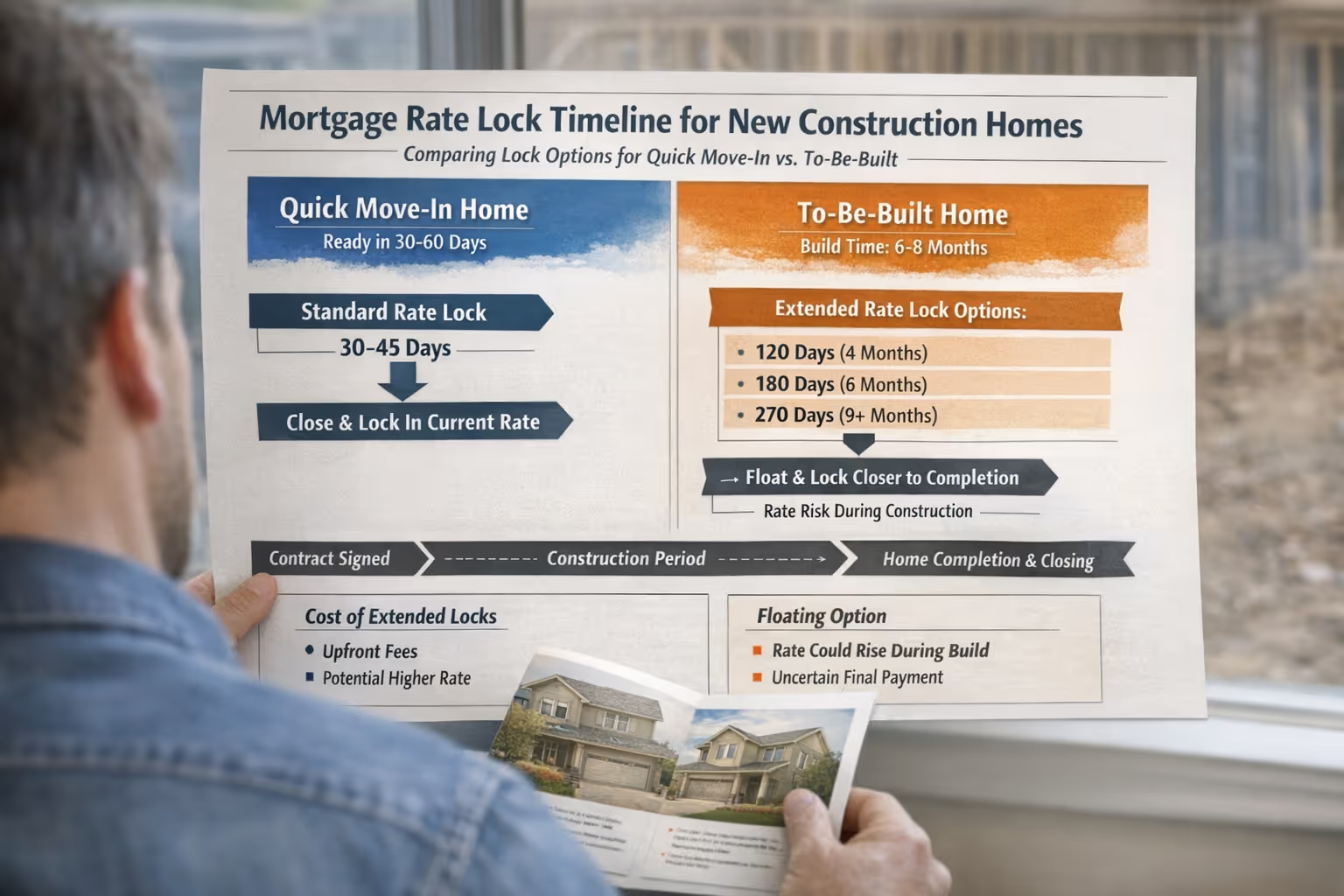
With a completed home, you can lock your mortgage rate and close within 30 to 45 days. This matters in volatile rate environments. You know exactly what your monthly payment will be before you commit.
You Prefer Seeing the Finished Product
Some buyers struggle to visualize floor plans and design center selections. Standing inventory lets you walk through the actual home, evaluate natural light, see how the lot sits, and confirm that the finishes meet expectations.
The Builder Has Carrying Costs
Here's where negotiation leverage shifts in your favor. Every month a completed home sits unsold, the builder pays interest on their construction loan, property taxes, HOA dues, insurance, and maintenance costs. Builders are often motivated to move this inventory—especially at quarter-end or year-end.
When To-Be-Built Makes Strategic Sense
You Want Customization Control
Building from the ground up lets you select:
Structural options (bedroom configurations, expanded garages, covered patios)
Flooring, cabinetry, countertops, and fixtures
Electrical and technology pre-wires
Energy efficiency upgrades
Standing inventory is what it is. You might negotiate appliance upgrades or closing cost credits, but you're not changing the floor plan or cabinet color.
Your Timeline Is Flexible
If you're currently renting month-to-month, living with family, or selling a home without a contingent purchase deadline, the four-to-eight-month build window may fit comfortably.
You Want a Specific Lot or Floor Plan
Premium lots—corners, greenbelts, cul-de-sacs, or homesites backing to open space—often sell first during the pre-sale phase. If lot position matters to you, waiting for standing inventory means accepting what's left.
Market Conditions Favor Buyers
In a slower market, builders may offer substantial incentives on to-be-built contracts to maintain sales velocity and keep their construction pipeline moving.
Negotiation Levers: What You Can Actually Ask For
Negotiation in new construction works differently than resale. Builders often protect their base prices to support neighborhood comps and appraised values. But they have flexibility elsewhere.
Quick Move-In Negotiation Opportunities
| Lever | What to Ask For | Why It Works |
| Price reduction | Direct discount off list price | Builders carrying completed inventory have holding costs; quarter-end and year-end are particularly strong timing |
| Closing cost credits | Lender fees, title, escrow covered by builder | Common alternative when builders resist price cuts |
| Rate buy-down | Builder pays points to reduce your interest rate | Directly lowers your monthly payment; builders often have relationships with preferred lenders offering this |
| Upgrades included | Appliances, blinds, landscaping, smart home packages | Low marginal cost to builder; high perceived value to buyer |
| HOA fee coverage | Builder covers first 6–12 months of dues | Reduces your initial carrying costs |

To-Be-Built Negotiation Opportunities
| Lever | What to Ask For | Why It Works |
| Design center credits | Dollar amount toward upgrades during selections | Keeps base price intact while giving you value |
| Structural options | Covered patio, extra bedroom, larger garage at reduced or no cost | Higher margin items for builder; locks in features you can't add later |
| Lot premium reduction | Discount on corner, premium, or larger lot fees | Lot premiums are often negotiable, especially on less desirable orientations |
| Extended rate lock | Builder contribution toward rate lock extension fees | Protects you from rate volatility during construction |
| Closing cost credits | Same as quick move-in | Standard negotiation tool |
Key insight: Builders generally have more negotiation flexibility on standing inventory because they're solving a carrying cost problem. On to-be-built contracts, your leverage depends more on current market velocity and the builder's sales targets.
Rate Lock Timing: The Hidden Risk in Long Build Cycles
This is where many Sacramento buyers get caught off guard.
Standard rate locks last 30 to 60 days. A to-be-built home taking six months to complete creates a financing gap. You have two primary options:
Option 1: Lock at Contract with an Extended Lock
Extended rate locks (120, 180, or even 270+ days) are available through some lenders. The tradeoff:
Cost: Extended locks typically require upfront fees or slightly higher rates
Protection: Your rate is guaranteed regardless of market movement
Risk: If the build gets delayed beyond your lock period, you may need to pay extension fees or re-lock at current rates
Option 2: Float and Lock Later
You can wait to lock your rate closer to completion. This strategy:
Saves lock extension costs upfront
Exposes you to rate increases during construction
Requires qualifying at the rate available when you lock, which could affect your purchase price ceiling
Builder Preferred Lender Considerations
Many builders partner with affiliated or preferred lenders and offer incentives (rate buy-downs, closing cost credits, design center dollars) for using them. These incentives can be substantial.
However, you're not required to use the builder's lender. Compare the total cost of the builder's preferred lender package against other lenders you've been pre-approved with. Sometimes the incentives outweigh rate differences; sometimes they don't.
The Consumer Financial Protection Bureau recommends comparing Loan Estimates from multiple lenders to evaluate total loan costs, not just interest rates [1].
Appraisal Contingencies: Protecting Yourself on New Construction
Here's something most online guides skip entirely: appraisal risk works differently depending on whether you're buying standing inventory or to-be-built.
Standing Inventory Appraisals
The home is complete. An appraiser visits, evaluates the property, and compares it to recent sales. You'll know your appraised value before closing.
If the appraisal comes in low:
You can renegotiate the price with the builder
You can bring additional cash to cover the gap
You can walk away (depending on your contract contingencies)
To-Be-Built Appraisals
Appraisals on to-be-built homes often happen late in the construction process—sometimes just weeks before closing. This creates uncertainty:
Market conditions may shift during your build
Comparable sales from six months ago may not reflect current values
You've already invested time, made design selections, and planned your move
Protective strategies:
Understand your contract's appraisal contingency language before signing. Some builder contracts limit your ability to terminate if the home doesn't appraise.
Ask about appraisal gaps upfront. In your initial conversations with a builder, understand what happens if the completed home appraises below your contract price.
Track comparable sales during construction. Stay informed about what similar homes in the community are closing for.
Consider larger earnest money strategically. Higher deposits show commitment but also increase what you have at risk if something goes wrong.
Sacramento Market Factors to Consider
The Sacramento region—including Elk Grove, Folsom, Roseville, and Rancho Cordova—has seen substantial new construction activity. Several factors affect your standing inventory vs to-be-built decision locally:
Builder Incentive Cycles
Builder incentives often increase during slower sales periods and decrease when demand is strong. Year-end (November through January) historically sees increased incentives as builders aim to hit annual sales targets.
Community Phase Timing
Early phases of new communities often have better lot selection but less standing inventory. Later phases may offer more quick move-in options but fewer premium lots.
Permit and Construction Timelines
Sacramento-area permit processing times and subcontractor availability affect build timelines. Ask builders about their current average construction duration—not just their quoted estimate.

Decision Framework: Which Path Fits Your Situation?
Consider quick move-in if:
[ ] You need to close within 90 days
[ ] You want to lock today's interest rate immediately
[ ] You prefer seeing the finished home before committing
[ ] You're comfortable with the available floor plans and finishes
[ ] You want to negotiate on price or rate buy-downs while builders have carrying costs
Consider to-be-built if:
[ ] Your timeline allows four to eight months
[ ] Customization (floor plan options, finishes, lot selection) is a priority
[ ] You're comfortable managing rate lock timing and potential extensions
[ ] You've reviewed the builder contract's appraisal and termination language
[ ] You have flexibility if construction delays occur
What to Do Before You Visit the Sales Office
Walking into a builder sales office without representation means the on-site sales team represents the builder's interests—not yours. A buyer's agent who understands new construction can:
Help you compare communities objectively
Review builder contracts for concerning terms
Negotiate on your behalf (including incentives you may not know to ask for)
Coordinate with your lender on rate lock strategy
The National Association of Realtors notes that buyer representation in new construction transactions can help buyers navigate builder contracts and negotiate terms [2].
Ready to Compare Your Options?
If you're weighing quick move-in against to-be-built in Sacramento, Elk Grove, or surrounding areas, send me three communities you're considering. I'll provide a quick analysis comparing move-in timelines, current incentives, and which negotiation levers make sense for your situation.
No pressure—just clarity on your options.
Call or request a consult to get started.
Frequently Asked Questions
Can I negotiate the price on a brand new construction home?
Builders often protect base prices to maintain neighborhood values and support appraisals. However, you can typically negotiate closing cost credits, rate buy-downs, design center credits, and included upgrades. On standing inventory, direct price reductions become more likely when builders face carrying costs or need to meet sales targets.
How long does a rate lock last for new construction?
Standard rate locks last 30 to 60 days. For to-be-built homes with longer construction timelines, extended locks of 120 to 270+ days are available through some lenders. These typically require additional fees. Discuss rate lock timing with your lender early in the process.
What happens if my new construction home doesn't appraise?
Your options depend on your contract terms. You may be able to renegotiate the price, bring additional cash to closing, or potentially terminate the contract. Review the appraisal contingency language in your builder contract before signing, and understand what you have at risk.
Should I use the builder's preferred lender?
Compare the total loan cost—including any builder incentives for using their lender—against quotes from other lenders. Builder incentives can be substantial, but they don't always outweigh better terms elsewhere. Get Loan Estimates from multiple sources before deciding.
What is standing inventory in new construction?
Standing inventory refers to homes builders have completed or will complete within 30 to 90 days. These "quick move-in" or "spec" homes are ready for buyers who need faster timelines. They offer less customization than to-be-built but eliminate construction wait times.
About This Guide
This content was developed for buyers considering new construction in the Greater Sacramento area. Tavon Willis is a California-licensed real estate salesperson (DRE #02095751) with LPT Realty, Inc., specializing in helping first-time buyers and relocating families navigate the homebuying process—including new construction purchases. The information here reflects general guidance; your specific situation may involve different considerations. Always review contracts with appropriate professionals before signing.
Cited Works
Consumer Financial Protection Bureau — "Shopping for a mortgage." https://www.consumerfinance.gov/owning-a-home/process/compare/
National Association of Realtors — "New Home Construction and Buyer Representation." https://www.nar.realtor/new-home-construction-and-buyer-representation


