
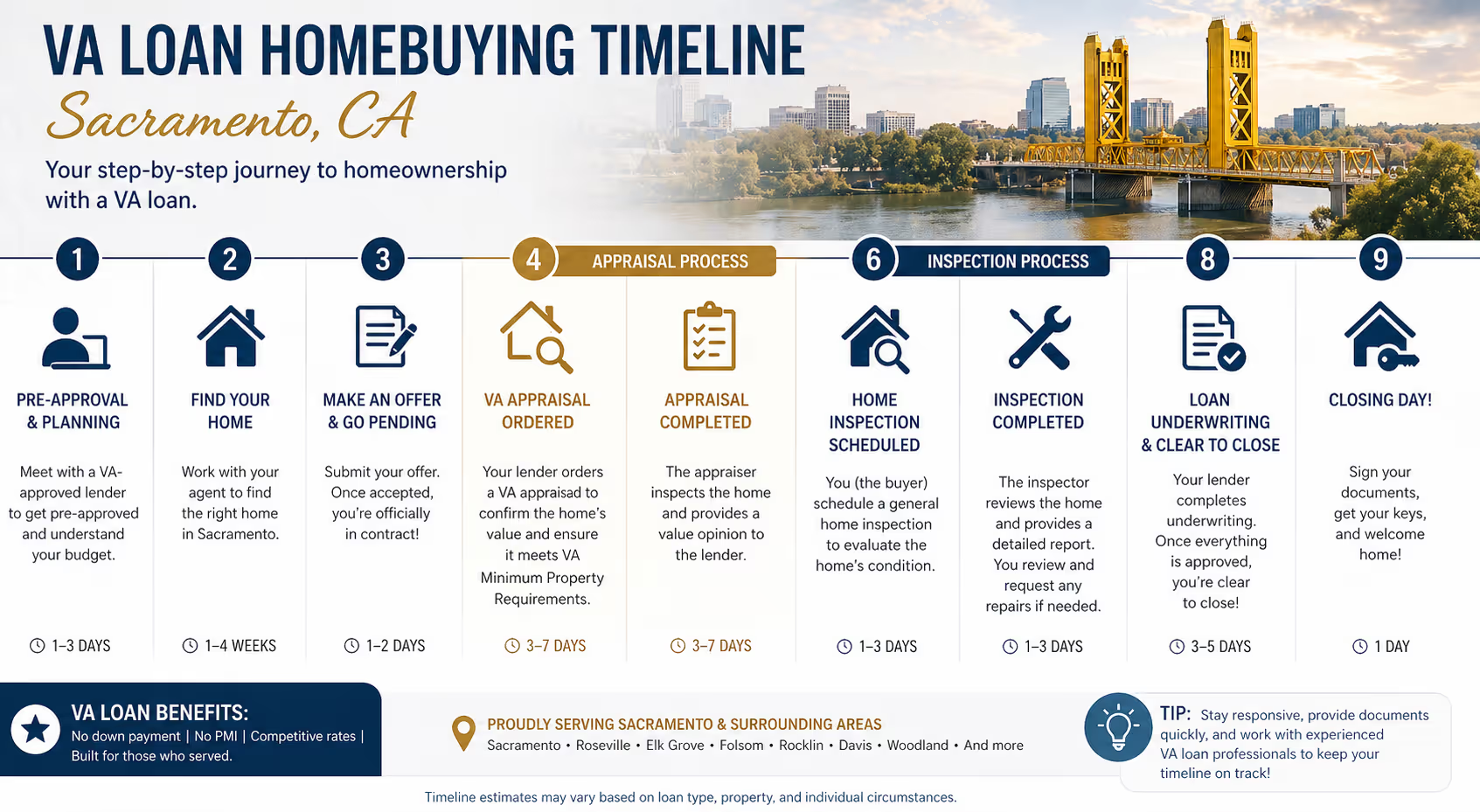
If you're using a VA loan to buy a home in Sacramento, you've probably already discovered that the process looks a little different from conventional financing. There's the Certificate of Eligibility. There's the VA appraisal—which isn't just about value. And then there are the repair requirements that can surface at the worst possible moment.
Most VA loan guides cover the basics. What they don't explain is where transactions actually stall—and what you can do before you're under contract to avoid scrambling at the finish line.
This guide breaks down the real timeline, the decision points that matter most, and the specific appraisal surprises that catch Sacramento buyers off guard (especially in older neighborhoods like East Sacramento, Midtown, or Oak Park, where housing stock comes with more history—and more potential MPR flags).
How the VA Loan Timeline Actually Works
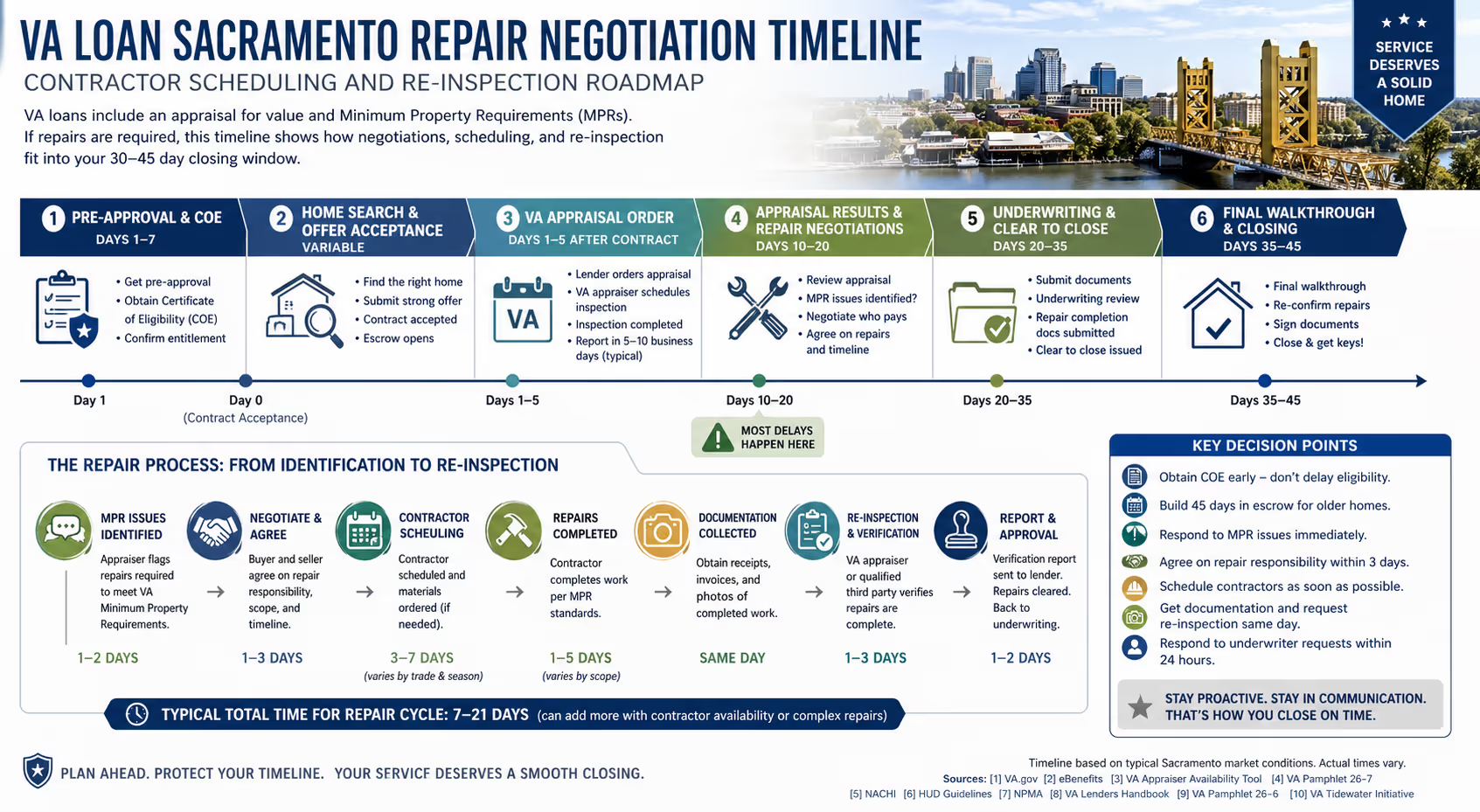
The VA loan process typically runs 30 to 45 days from accepted offer to closing. That window depends heavily on appraiser availability, lender efficiency, and whether the property passes the VA's Minimum Property Requirements on the first pass [1].
Here's what each phase looks like—and where the hidden decision points sit.
Phase 1: Pre-Approval and Certificate of Eligibility (Days 1–7)
Before you tour homes, get two documents locked in: your pre-approval letter and your Certificate of Eligibility (COE). The COE confirms your VA loan entitlement based on your service record [2].
For most veterans, lenders can pull the COE electronically in minutes through the VA's system. Guard and Reserve members sometimes need additional documentation, which can add a few days.
Decision point: Don't skip or delay this step. Discovering an eligibility issue after you're already in escrow creates unnecessary stress—and can cost you a home in a competitive situation.
Phase 2: Home Search and Offer Acceptance (Variable)
This phase depends on Sacramento's inventory and how flexible you can be on location, condition, and price. Once your offer gets accepted, the timeline clock starts.
Key consideration for VA buyers: In multiple-offer situations, some buyers feel pressure to waive contingencies. With VA loans, waiving the appraisal contingency is risky. If the property has MPR issues, you could be obligated to buy a home that needs repairs you didn't budget for—or lose your earnest money walking away.
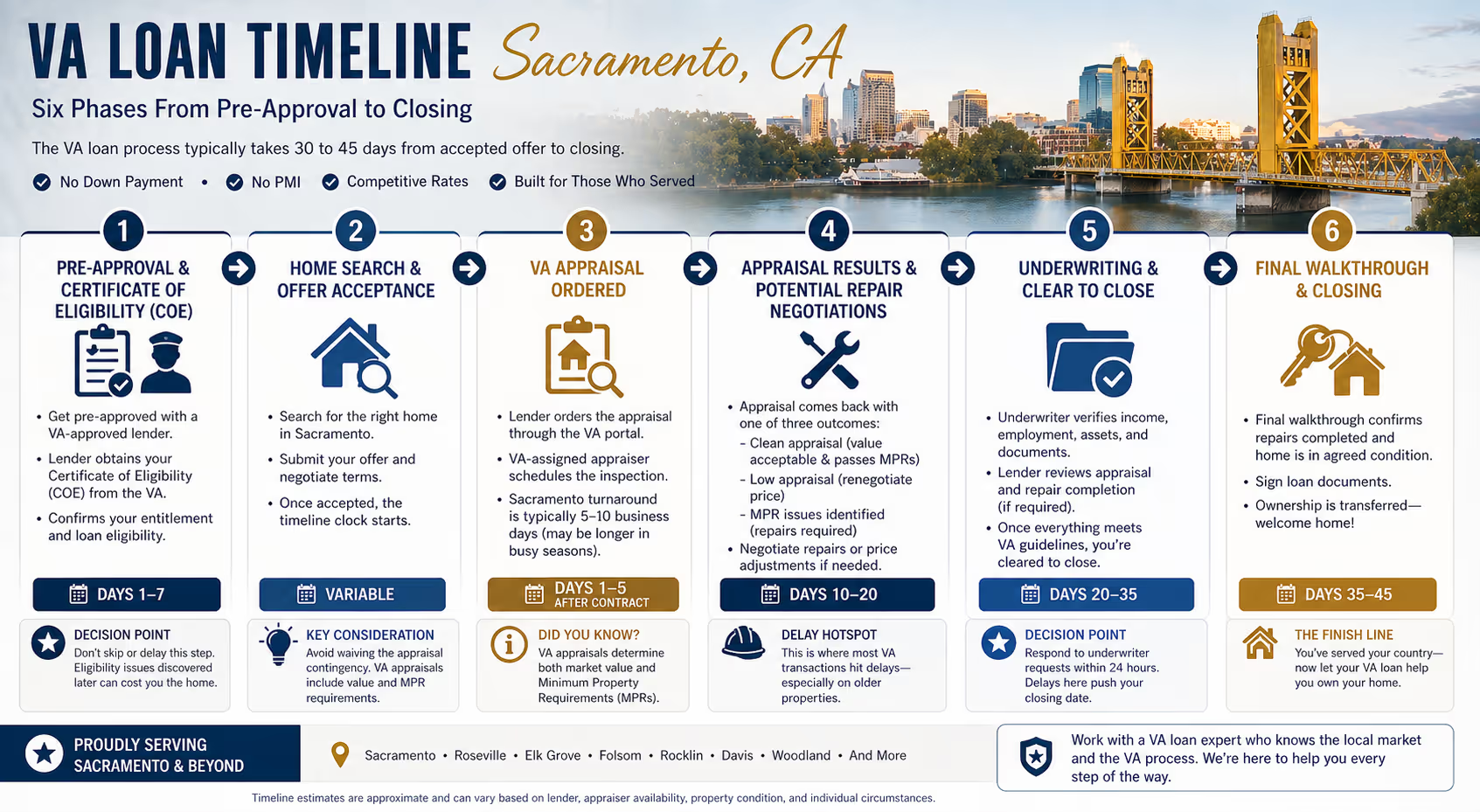
Phase 3: VA Appraisal Order (Days 1–5 After Contract)
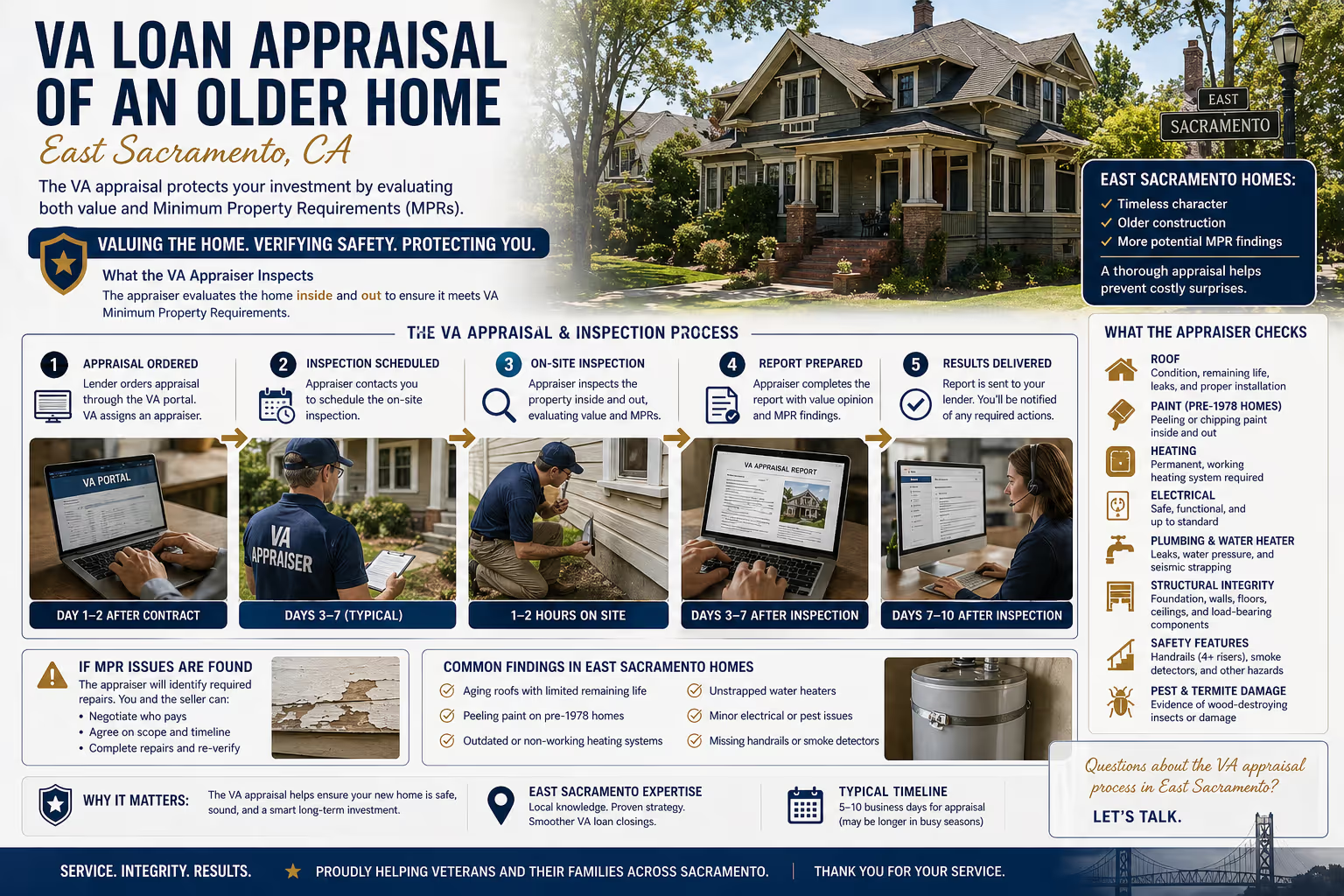
Your lender orders the appraisal through the VA's portal, and a VA-assigned appraiser schedules the inspection. Sacramento turnaround typically runs five to ten business days, though spring and summer months can push that longer when appraisers are slammed [3].
What makes VA appraisals different: The appraiser does two jobs at once—establishing market value and checking whether the property meets Minimum Property Requirements. That dual purpose is where surprises show up.
Phase 4: Appraisal Results and Potential Repair Negotiations (Days 10–20)
When the appraisal comes back, you're looking at one of three scenarios:
Clean appraisal: The home meets value expectations and passes MPRs. You move straight to underwriting.
Low appraisal: The home appraises below your offer price, triggering renegotiation options.
MPR issues identified: The appraiser flags required repairs before the VA will approve the loan.
This phase is where Sacramento VA transactions most often hit delays—especially on older properties.
Phase 5: Underwriting and Clear to Close (Days 20–35)
Underwriting involves verifying your income, employment, assets, and ensuring all documentation meets VA guidelines. If repairs were required, the lender needs evidence of completion before issuing final approval.
Decision point: Respond to underwriter requests within 24 hours whenever possible. Every day of delay at this stage pushes your closing date—and can trigger complications with rate locks, lease timing, and seller patience.
Phase 6: Final Walkthrough and Closing (Days 35–45)
Your final walkthrough confirms any required repairs were completed and the home is in agreed-upon condition. Closing involves signing loan documents and transferring ownership.
What Are VA Minimum Property Requirements?
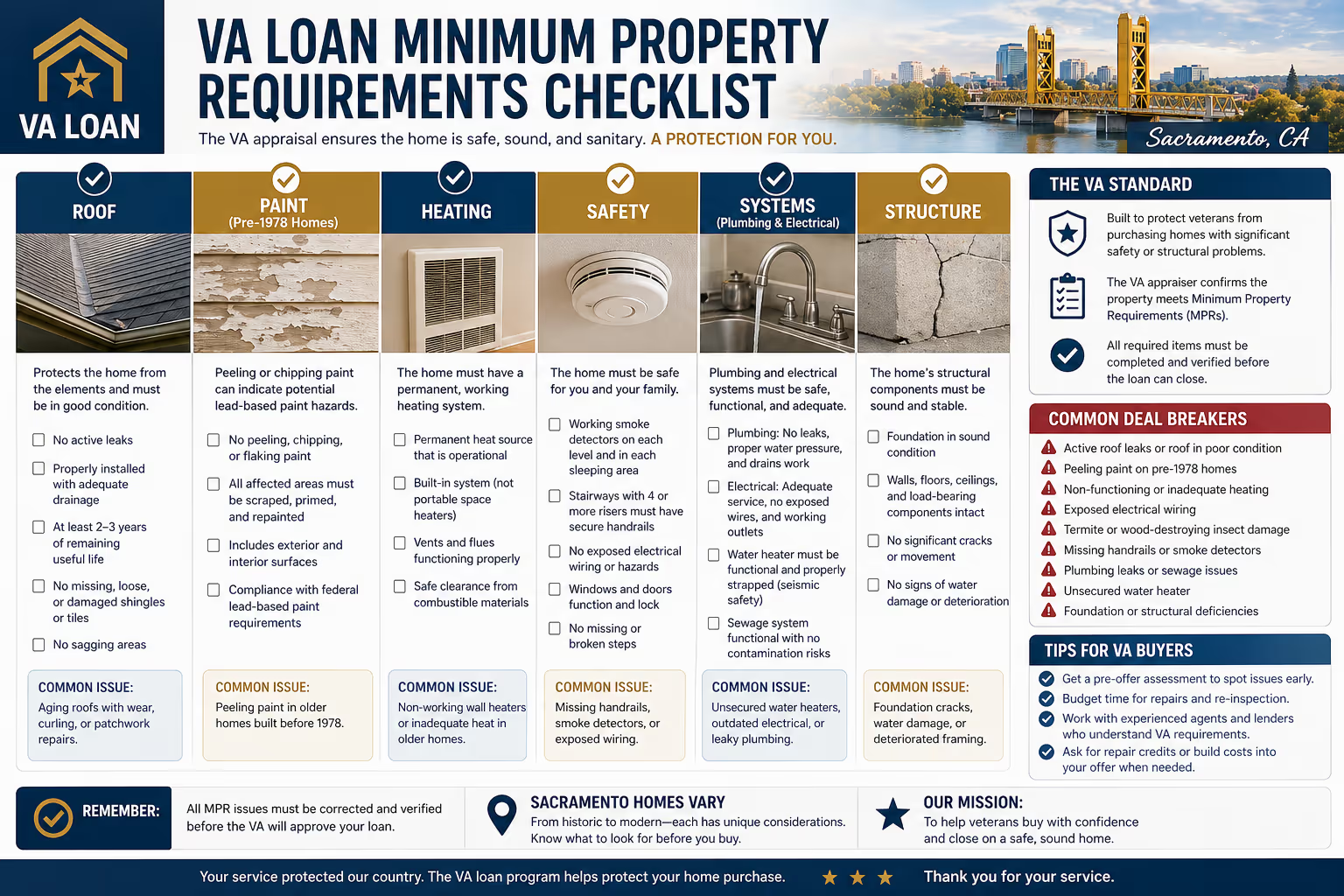
Minimum Property Requirements exist to make sure veterans don't purchase homes with significant safety or structural problems [4]. These standards aren't arbitrary—they're designed to protect you from inheriting expensive defects.
The VA appraiser evaluates:
Structural integrity: Foundation, roof, walls, and load-bearing components
Mechanical systems: Heating, electrical, and plumbing in working order
Safety hazards: Lead paint concerns (in pre-1978 homes), exposed wiring, missing handrails
Roof condition: Remaining useful life and evidence of active leaks
Water and sewage: Functional systems with no contamination risks
Pest damage: Evidence of termite or wood-destroying insect infestation
Sacramento's housing stock ranges from 1950s ranches to brand-new construction, so MPR issues vary dramatically depending on where you're looking and how well the property has been maintained.
Common VA Appraisal Surprises in Sacramento
Certain MPR issues surface more often in Sacramento than in other markets. Knowing what to watch for helps you evaluate properties realistically before making offers.
Roof Concerns in Older Neighborhoods
Older Sacramento homes—especially in established areas like East Sacramento, Land Park, or Curtis Park—often have roofs approaching the end of their useful life. If an appraiser notes fewer than two to three years of remaining life or visible damage, repairs or replacement may be required [5].
What this means for your timeline: Roof work can take one to two weeks to schedule and complete. I recently worked with a buyer in Carmichael whose closing got pushed back nine days waiting on a roofing contractor's availability during a busy spring stretch.
Peeling Paint on Pre-1978 Homes
For homes built before 1978, peeling or chipping paint triggers lead-based paint concerns under federal regulations [4]. The appraiser will require affected areas to be scraped, primed, and repainted before clearing the property.
Sacramento context: A significant portion of the housing inventory in Midtown, Oak Park, Tahoe Park, and the older sections of Land Park predates 1978. This makes peeling paint one of the most common MPR flags locally—and one that's easy to overlook during a quick showing.
Heating System Requirements
California's mild climate means some older homes have inadequate or non-functional heating systems. The VA requires a permanent, working heat source—portable space heaters don't qualify [4].
This comes up more often than you'd expect in homes that have been rentals or sat vacant. A non-working wall heater that a seller forgot about can trigger a repair requirement.
Water Heater Issues
Water heaters must be properly strapped for seismic safety (a California requirement) and in functional condition. Missing straps or evidence of leaks can trigger repair requirements.
The fix is usually inexpensive—sometimes under $100 for strapping—but it still requires completion, verification, and documentation before you can close.
Termite and Pest Damage
Sacramento's warm climate makes termite activity common, particularly in older homes with original wood siding or subfloor framing. If an appraiser observes evidence of wood-destroying insects or existing damage, a pest inspection and potential treatment or repairs become necessary [5].
In some cases, the pest inspection reveals more extensive damage than what was visible to the appraiser, expanding the repair scope mid-transaction.
Missing Safety Features
Handrails on stairs with four or more risers, working smoke detectors, and similar safety features must be present. These are usually inexpensive fixes—but they still require completion before closing.
How MPR Repairs Create Closing Delays
The repair work itself isn't usually complicated. The logistics are what create bottlenecks:
Negotiation: Who pays for repairs? Buyer and seller need to agree, which can take days if either party pushes back.
Contractor scheduling: In busy seasons, getting a contractor out can take one to two weeks—sometimes longer for specialized work like roofing or pest remediation.
Re-inspection: The VA appraiser (or in some cases, a qualified third party) must verify repairs were completed satisfactorily.
Documentation: Repair receipts and completion photos need to reach your lender before final approval.
A "simple" repair that takes five days to complete can add ten or more days to your timeline once you factor in scheduling, verification, and document processing.
The Domino Effect
Closing delays affect more than your moving schedule:
Rate lock expiration: If your interest rate lock expires before closing, you may face higher rates or extension fees.
Lease timing: If you've already given notice on a rental, delays can create a housing gap—or force you into expensive short-term arrangements.
Seller patience: Extended timelines can strain negotiations, especially if the seller has their own contingent purchase waiting.
One Sacramento transaction I saw last year involved a water heater strap issue—a $75 fix—that ended up delaying closing by four days because the repair couldn't get verified until the following Monday. The buyer's rate lock expired that Thursday, costing an extra $1,800 in extension fees. Small repairs can have outsized consequences when timing is tight.
Strategies to Protect Your Timeline
Smart preparation dramatically reduces your risk of VA appraisal surprises. Here's how to set yourself up for a smoother transaction.
Get a Pre-Offer Property Assessment
Before submitting an offer on an older home, consider walking through with an eye toward obvious MPR concerns. This isn't the same as your formal inspection contingency—it's a preliminary evaluation to identify red flags before you're under contract.
What to look for:
Roof age and visible condition: Missing shingles, sagging sections, or obvious wear
Paint condition on pre-1978 homes: Chipping, peeling, or flaking on exterior and interior surfaces
Heating system type and functionality: Does the home have permanent heat? Does it work?
Evidence of water damage or pest activity: Stains, soft spots in flooring, or visible termite tubes
If you spot potential issues early, you can factor them into your offer strategy—or move on to a property that won't create timeline risk.
Build Repair Time Into Your Contract
Standard Sacramento purchase contracts often use 30-day escrow periods. For VA loans on older properties, consider requesting 45 days from the start. This buffer accommodates potential repair timelines without requiring extensions that can frustrate sellers.
Discuss MPR Contingencies With Your Agent
An experienced agent can help you structure offers that account for VA-specific requirements. This might include:
Seller credits for anticipated repairs
Pricing that reflects needed work (though the work must still be completed for VA approval)
Clear contract language about repair responsibility and timelines
Stay in Close Contact With Your Lender
Once you're under contract, proactive communication prevents small issues from snowballing. Ask your loan officer specifically:
When will the appraisal be ordered?
What's the current turnaround time for VA appraisals in Sacramento?
What documentation do you need from me, and by when?
Don't wait for your lender to chase you down. The faster you respond to requests, the faster you close.
Identify Contractors in Advance
If you're considering older properties, identify a few contractors in advance who can handle common repairs quickly—roofers, painters, pest control companies, handymen who can install handrails or strap water heaters. Having relationships established means faster scheduling if issues arise.
New Construction: A More Predictable Path
New construction homes in Sacramento typically present fewer MPR concerns because they're built to current codes and haven't experienced wear [6]. Communities in Natomas, Elk Grove, Rancho Cordova, and Folsom offer new-build options that often sail through VA appraisals without repair flags.
Builder incentives—like interest rate buydowns, closing cost credits, or upgrade packages—can also make new construction financially competitive with resale homes, especially when you factor in the reduced risk of appraisal delays.
VA and new construction considerations:
- Builder experience with VA transactions
- Builder responsiveness to appraisal conditions
- HOA documents and fees
- New home warranty
- Aligning timelines with VA processing
Builders must be VA-registered to sell to VA buyers
New homes still receive VA appraisals, but MPR issues are rare
Builder construction timelines and VA loan processing timelines need coordination—your lender and agent should be in regular contact with the builder's sales team
For VA buyers who want to minimize appraisal surprises and closing uncertainty, new construction offers a more predictable path.
What Happens If the Appraisal Comes In Low?
Value-related appraisal issues are separate from MPR concerns, but they're equally important to understand.
If a Sacramento home appraises below your offer price, you have several options:
- Come up with the difference in cash.
- Negotiate with the seller to reduce the price.
- File a Reconsideration of Value (ROV) with the VA, supported by new comparable sales data [7].
- Cancel the purchase agreement (with your earnest money protected by the VA escape clause).
Renegotiate the price: Ask the seller to reduce to the appraised value.
Pay the difference: Cover the gap between appraised value and purchase price out of pocket.
Request a Reconsideration of Value (ROV): Provide additional comparable sales data to support a higher valuation [7].
Walk away: If your contract includes an appraisal contingency, you can exit without penalty.
The Tidewater Initiative requires VA appraisers to notify lenders when an appraisal will likely come in low, giving you an opportunity to submit additional comparable sales data before the final report is issued. This early warning can be valuable—but only if you respond quickly with solid comps.
VA Loan Decision Points: Quick Reference
| Timeline Phase | Key Decision | Risk If Delayed |
| Pre-approval | Obtain COE before house hunting | Eligibility issues discovered mid-contract |
| Offer stage | Build adequate escrow time | Rushed repairs, extension requests |
| Appraisal ordered | Confirm order within 48 hours of contract | Appraiser backlog extends timeline |
| Appraisal results | Respond to MPR issues immediately | Repair scheduling delays compound |
| Repair negotiation | Agree on responsibility within 3 days | Lost time waiting for seller response |
| Repair completion | Schedule contractors immediately | Contractor availability gaps |
| Re-inspection | Request verification same day as completion | Documentation delays final approval |
| Underwriting | Respond to requests within 24 hours | Each day adds to closing timeline |
Start the Conversation Early
The best time to understand VA loan requirements is before you start touring homes—not after you've fallen in love with a property that might have appraisal challenges.
A strategy conversation early in your homebuying process can help you:
Confirm your COE and entitlement
Understand realistic timelines for your situation
Identify property types that align with smoother VA transactions
Build a plan that accounts for Sacramento's current market conditions
Ready to map out your VA homebuying timeline? Schedule a strategy consult before you start viewing homes. Getting clarity on the process upfront means fewer surprises when it matters most.
Frequently Asked Questions
How long does a VA appraisal take in Sacramento?
VA appraisals in Sacramento typically take five to ten business days from the order date, though this varies based on appraiser availability. Spring and summer months often see longer wait times due to higher transaction volume. Your lender can provide current estimates when ordering the appraisal, and staying in contact helps you plan around any delays.
Can sellers refuse to make VA-required repairs?
Sellers aren't legally obligated to make repairs—but without completed repairs, the VA won't approve the loan for that property. This creates a negotiation dynamic: sellers can refuse, but doing so typically ends the transaction unless the buyer pays cash or finds alternative financing. Most sellers prefer to complete reasonable repairs rather than lose a qualified buyer.
Do all older homes fail VA appraisals?
No. Many older homes pass VA appraisals without any issues, particularly those that have been well-maintained. The MPR evaluation looks for specific safety and habitability concerns—not general age-related wear. A pre-1978 home with a solid roof, updated systems, and good maintenance can clear MPRs as easily as a newer property.
What's the difference between a VA appraisal and a home inspection?
A VA appraisal determines market value and checks Minimum Property Requirements—basic safety and livability standards. A home inspection is a more comprehensive evaluation of all systems, components, and potential future maintenance needs. Both serve important but different purposes, and VA buyers should strongly consider getting both to understand what they're purchasing.
Can I use a VA loan for new construction in Sacramento?
Yes. VA loans can finance new construction homes from VA-registered builders. New construction typically presents fewer MPR concerns since homes are built to current codes. The main coordination challenge is aligning builder construction timelines with VA loan processing—something your lender, agent, and the builder's sales team should manage together.
About This Guide
This guide was developed by a California-licensed real estate professional with direct experience helping VA buyers navigate Sacramento's market. The information reflects current VA loan requirements and local market conditions, drawing on official VA guidelines and practical transaction experience. For personalized guidance on your specific situation, consult with a qualified lender and real estate professional familiar with VA transactions in your target area.
Cited Works
[1] U.S. Department of Veterans Affairs — "VA Home Loans." https://www.va.gov/housing-assistance/home-loans/
[2] U.S. Department of Veterans Affairs — "Certificate of Eligibility for Home Loan." https://www.va.gov/housing-assistance/home-loans/how-to-request-coe/
[3] U.S. Department of Veterans Affairs — "VA Pamphlet 26-7, Revised Chapter 12: Minimum Property Requirements." https://www.benefits.va.gov/WARMS/pam26_7.asp
[4] U.S. Environmental Protection Agency — "Lead in Paint, Dust, and Soil." https://www.epa.gov/lead
[5] California Structural Pest Control Board — "Inspection Reports and Pest Control." https://www.pestboard.ca.gov/
[6] U.S. Department of Housing and Urban Development — "Buying a New Home." https://www.hud.gov/topics/buying_a_home
[7] U.S. Department of Veterans Affairs — "Reconsideration of Value Process." https://www.benefits.va.gov/homeloans/


